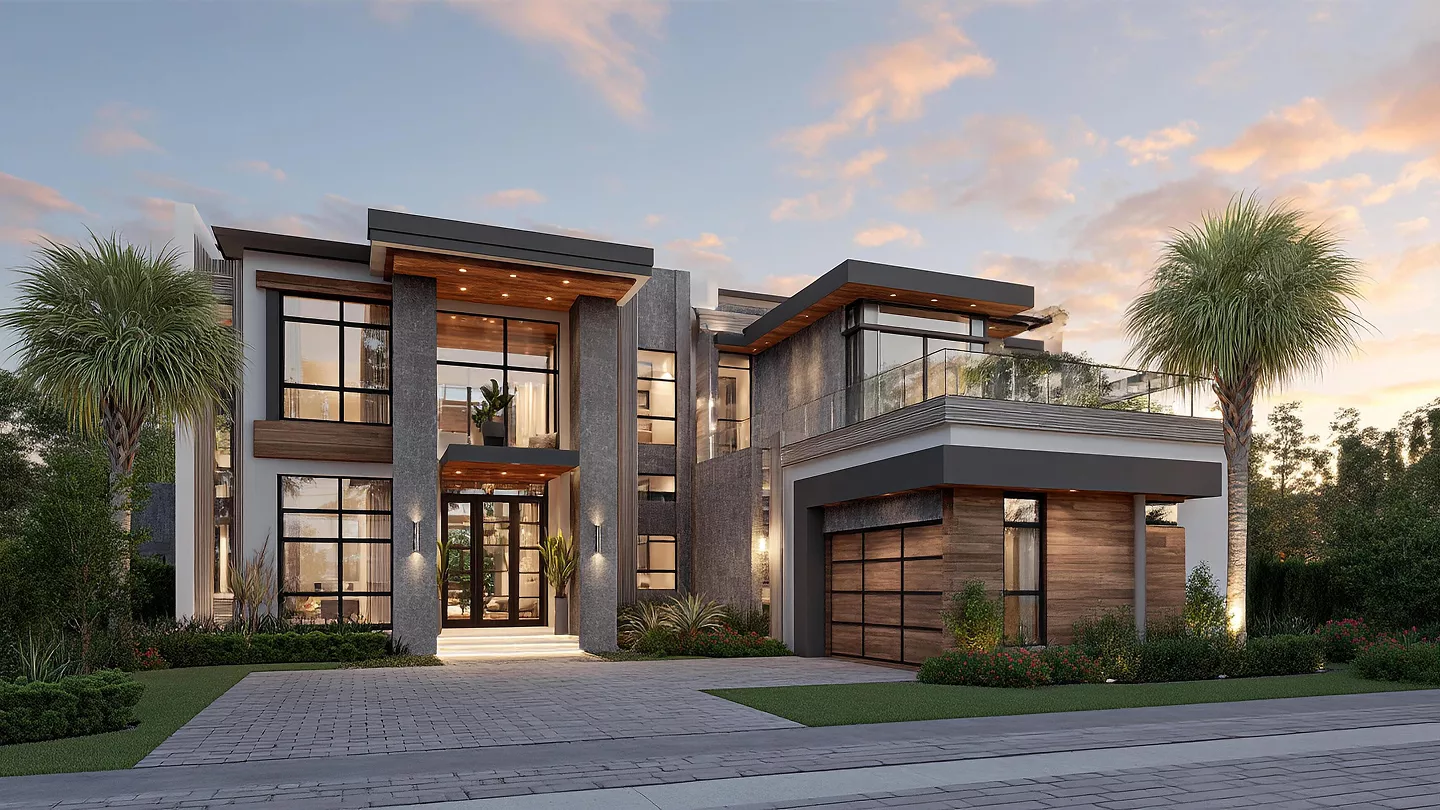
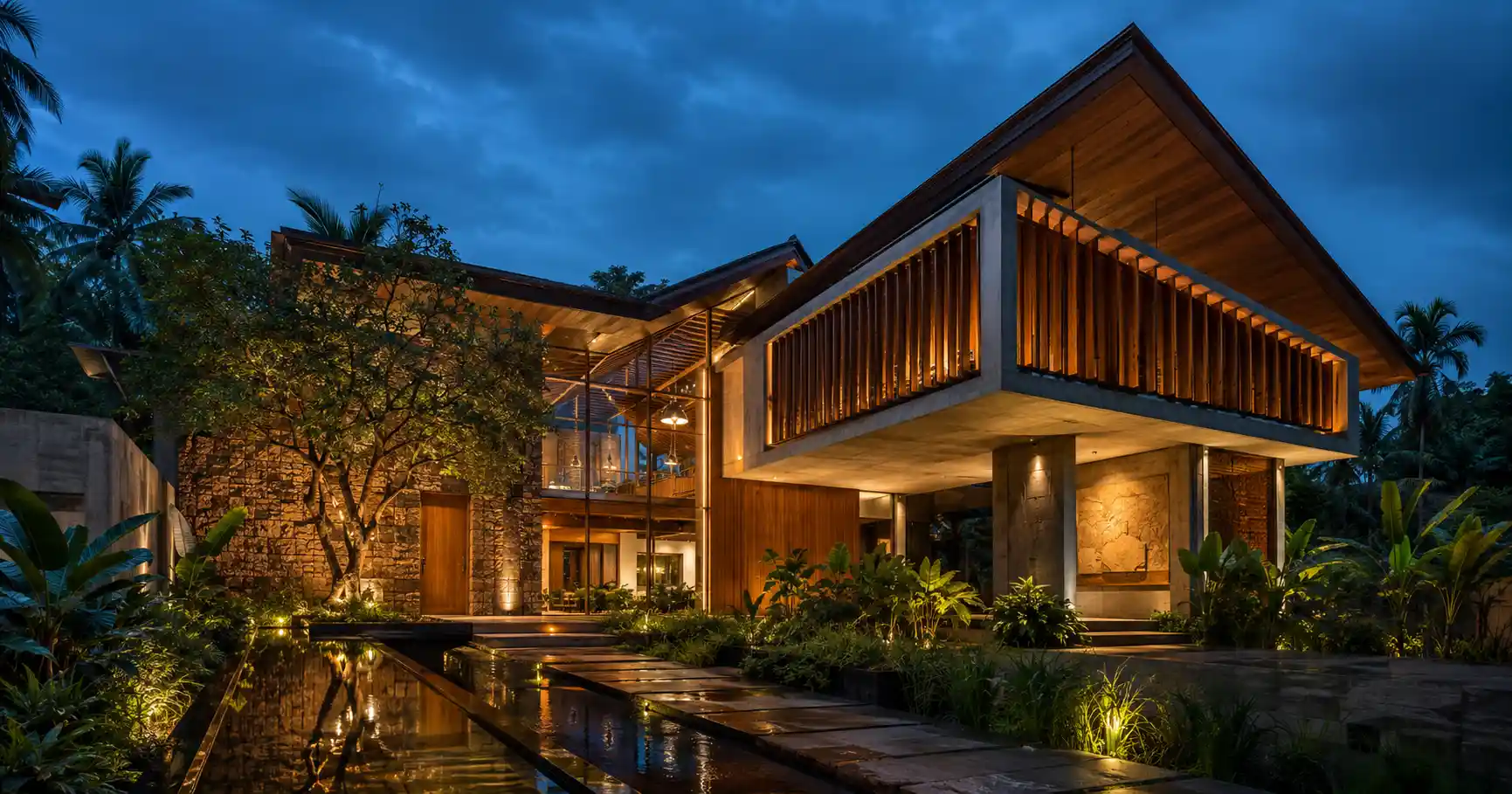
Drive through Kochi today. You’ll notice something strange. Sloped Kerala roofs stand next to glass-fronted buildings. A century-old Dutch warehouse in Fort Kochi is not far from a concrete home with a courtyard open to the sky. It’s not chaos. It’s a city trying to figure out what “modern” should mean without losing what made Kerala in the place.
That tension is why leading architects in Kerala are getting attention right now. Kochi has quietly become the state’s place for design and the buildings being built here are answering a question homeowners across the state are also asking: how do you build something that feels new without feeling like it belongs anywhere else in the world?
This post looks at what contemporary design means in a Kochi context, the ideas shaping it and what to look for if you’re planning a build yourself.
Why Kochi Is Becoming Kerala's Design Center
Kochi is in a place, both literally and in terms of architecture. It’s a port city with centuries of Dutch and British influence in its older areas and it’s also Kerala’s fastest-growing business center drawing in IT parks, private communities and small houses.
That mix creates pressure that most Kerala towns don’t face. Land is tighter, money is more and people are more aware of design trends through travel and social media. So the citys architects are forced to solve a problem: build well for dense city plots while still designing something that doesn’t feel like it came from somewhere else.
The result is a style that’s clearly Kochi. Based on climate needs but looking up to date.
What Makes a Leading Architects in Kerala "Modern"?
“Modern” is used a lot so it’s worth explaining. In the Kochi situation it doesn’t mean glass buildings copied from Dubai or Singapore. It means a specific choice.
Combining Old and New
The leading architects in Kerala are not throwing away styles. They are bringing them forward. The traditional central courtyard appears again as a sky- atrium in modern homes. Sloped roofs are redesigned with lines and visible structure instead of fancy wood work. It’s the way our grandparents built for the climate just using a different look.
Design for the Weather First Beauty Second
Kochis humidity and heavy rain don’t forgive choices. Modern architects here put cross-deep roof overhangs, shaded windows and rainwater systems first before thinking about how a wall will look. A building that looks nice but traps heat and wet isn’t modern. It’s just expensive.
Using Materials
There’s a growing taste for exposed brick, laterite stone, old wood and raw concrete over heavy paint and plaster. It’s partly about looks, about use. These materials last well in Kerala’s weather and need less fixing over time.
Have you seen how many new houses in Kochi are not painted at all? That’s not about money. It’s a design choice.
Main Contemporary Design Ideas Used by Top Architects in Kerala
If you take away the words, most modern projects in Kochi are based on a few clear rules. Here’s the list worth knowing:
- Use cooling instead of air conditioning. Deep eaves, cross-ventilation and smart shading to reduce the need for cooling
- Open flexible rooms. Fewer strict rooms, more spaces that can be used in different ways as a family grows
- Indoor-outdoor connection. Courtyards, places to sit and green areas instead of a clear line between inside and outside
- Use local and eco-friendly materials. Laterite, bamboo, old wood and low-carbon concrete options
- Use natural light as a main design element. Skylights and high windows used on purpose not as an afterthought
- Rainwater collection and smart water use. Must have because of the heavy rain in Kochi
- Little decoration focuses more on shape. Clean lines doing the visual work that carvings and decorations used to do
None of these are new on their own. What makes a project truly modern is when a team uses all of them together adjusted for the plot, direction and customer needs. Which is a different skill from just picking a modern look from a book.
Traditional Kerala Architecture vs. Modern Kochi Architecture
It’s easier to see what has changed.. What has not. Next to each other.
Aspect | Traditional Kerala Architecture | Modern Kochi Architecture |
Roof design | Steep sloped, tiled roofs | Flat or low-slope roofs with deep overhangs |
Layout | Courtyard-centered (nalukettu, ettukettu) | Open-plan with courtyard-inspired atriums |
Materials | Laterite, timber, clay tiles | Exposed concrete, glass, laterite, steel |
Ventilation | Natural, through courtyards and jaali work | Engineered cross-ventilation with modern openings |
Ornamentation | Carved wood, decorative motifs | Minimal detailing, focus on proportion and light |
Construction speed | Slower, craft-intensive | Faster, supported by modern engineering methods |
Notice that the main idea. Courtyards, air flow, local materials. Hasn’t gone away. It has been changed for how people live
How to Choose the Right Architecture Firm in Kerala
Choosing an architecture firm in Kerala is where most homeowners either get modern design right or end up with a building that just looks new for a year and then looks old quickly. A few things separate the companies that do it right.
Look for Understanding of the Weather Not Just Pictures
Ask any company you are thinking of how they deal with the direction of the sun, air flow and roof drainage for your land. A company that jumps straight to floor plans without talking about sun path and rain exposure hasn’t done the work that Kochi’s weather needs.
What Architecture Designers in Kochi Bring to the Table
architecture designers in Kochi do more than make plans. They work with structural ideas, material choices and site rules from the start. If you are checking companies it’s worth knowing their range of architecture services because good ideas on paper mean little without good work on the site.
Check Their Ability to Handle Structure and Projects
A company that only does design without in-house or close help from engineers can leave you managing two groups that don’t always agree. Companies that pair design with structural support tend to find big problems. Like beams that don’t fit or foundation problems. Before building starts, not after.
Ask Who Is Handling the Building Not the Design
This is the step people often skip. A nice design with supervision turns into a difficult, late and over budget project. Ask how the company handles management once building starts. Timing, workers and checking quality are as important as the idea.
Quick Tips Before You Hire Architecture firms in Kerala
A list to keep ready during your search:
- Look at at least 3-5 finished projects, not just pictures
- Ask how they have dealt with rainwater drainage on past places
- Make sure if engineers and other experts are in-house or outside
- Get clear about who is in charge of the project before signing
- Talk about where materials come from. Local materials often mean better long-lasting quality
Ask for a real schedule, not just a design plan
Final Thoughts
Modern architectures isn’t about chasing trends from other places. It’s about a group of leading architects in Kerala trying to build for this exact weather, this exact culture and this exact time. The courtyard didn’t go away; it changed. The sloped roof didn’t disappear; it got redesigned. That’s what makes the change really more interesting than just new.
If you are planning to build the real question isn’t “what is popular now.” It’s whether the company you choose understands why these ideas exist. Because that’s the difference between a house that looks good today and one that still works twenty rains from now.
Frequently Asked Questions
1. What makes architecture in Kochi different from other cities in Kerala?
Kochis modern architecture is shaped by crowded city areas, more exposure to humidity near the sea and a mix of old buildings with new business areas. Pushing architects toward small weather-friendly designs that still fit the citys complex history.
2. Are leading architects in Kerala moving away from styles?
Not really. Most leading architects in Kerala are changing ideas like courtyards and sloped roofs using new materials and building methods instead of leaving them behind.
3. How can I know if an architecture firm in Kerala is really green, not just saying it?
Ask questions. About how they use natural cooling, how they collect rainwater and where their materials come from. A company that can explain the reasons behind these choices instead of giving general answers is likely real.
4. Do leading architects in Kerala also take care of the building work, not the design?
It depends on the company. Some offer service from design to building while others only do design and send other parts out. It’s worth checking this to avoid problems later.
5. Is design more expensive than traditional building in Kerala?
Not always. Some materials and methods cost more. Ideas like natural cooling and shading often lower long-term costs. Especially on cooling and fixing. Compared to traditional or purely Western-style buildings.